
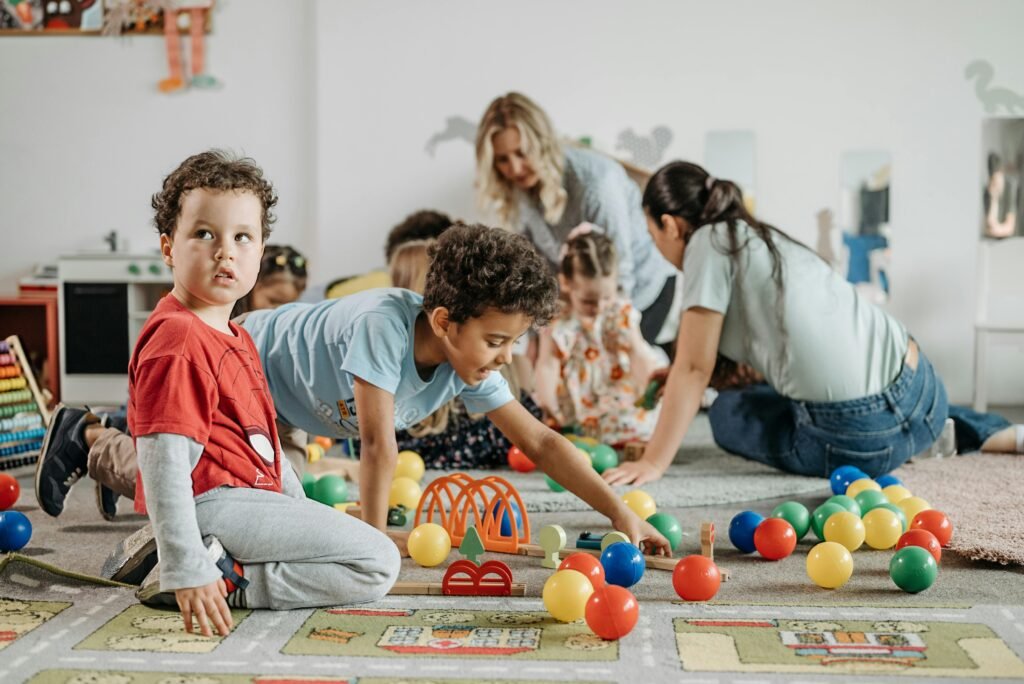
If your brain has been feeling a little… well, scattered lately, you’re not alone. Maybe you’re helping kids with schoolwork, keeping an eye on aging parents, or just juggling the usual chaos of home life (“Where did the crayons go? Why do puzzles never have all their pieces? And who moved my glasses again?”).
Deep breath.
Because here’s the good news: one of the easiest, most joyful ways to support the minds you love — young or old — is simply through play.
Play is powerful. It builds confidence, strengthens memory, sparks creativity, and gently keeps the brain active at every age. And when kids and seniors play together? That’s where the magic really happens: laughter, connection, and little moments that turn into big memories.
So grab a cup of tea, gather your favorite people, and explore these 10 science-backed, heart-approved brain boosters.
1. Puzzles Wakes Up the Mind
Puzzles aren’t just a fun way to pass time—they actively train reasoning, visual perception, and spatial skills. For kids, puzzles help with shape recognition, fine motor coordination, and problem-solving. For seniors, puzzles can keep memory sharp and may even slow cognitive decline by engaging multiple areas of the brain at once.
Examples & Tips:
For Kids:
🌟Simple jigsaw puzzles
🌟Matching pairs
🌟Color + shape puzzles
For Seniors:
🌟Large-print jigsaws
🌟Memory-matching tiles
🌟100–300 piece puzzles (the sweet spot: not too easy or overwhelming)
Soft product whisper:
Check out these books, packed with playful puzzles perfect for early learners!
🎃 Halloween Activity Book for Kids Ages 3–5
🎄 Christmas Activity Book for Kids Ages 3–5
Amazon-friendly ideas:
🌟 Large-print puzzles for seniors
🌟 Montessori wooden puzzles
🌟Brain-teaser sets for all ages
2. Coloring for Calm & Focus
Coloring supports mindfulness, stress reduction, and attention span. It can be meditative for seniors and a creative outlet for kids. Using patterns or themed coloring sheets can also subtly reinforce learning concepts, like letters, numbers, or holiday traditions.
Examples & Tips:
- Encourage color mixing and shading to boost fine motor skills and creativity.
- Pair coloring with conversation: “Why did you choose that color?” or “Tell me a story about your picture.”
- Use coloring to relax before bedtime or during transition times between activities.
Soft product whisper:
🌟 123 Little Kittens (Color, Read, and Sing Along)
🌟 The 12 Days of Christmas Coloring Book (Classic Festive Coloring and Sing-along)
🌟 If You’re Happy and You Know It Activity Book (color + sing = happiness)
Just set out crayons, markers, or pencils… and let everyone color their way into a calmer afternoon.
3. Memory-Boosting Trivia
Trivia strengthens recall, long-term memory, and social interaction. It also encourages storytelling, as participants often share personal experiences triggered by a question.
Examples & Tips:
- Encourage everyone to explain their answers; turning the quiz into a cozy moment of memories and laughter.
- Read questions aloud, take turns answering, or dive into conversations sparked by the fun facts.
- Mixing general-knowledge questions with personal memory prompts—like “What was your favorite toy as a child?”—helps the group open up and connect.
- Create a rotating trivia jar—kids pick one card, seniors pick another— keeps things moving and makes sure everyone has a chance to join in.
A ready-to-use gem:
🌟 Halloween Trivia Book: Origin, Myths and Facts You Never Knew
Great Amazon add-ons:
🌟Trivia card decks
🌟Family trivia board games
4. Storytelling Games That Spark Creativity
Storytelling fosters imagination, communication skills, and empathy. For seniors, it’s a gentle way to reminisce, which can improve mood and social connection. Kids learn sequencing, vocabulary, and narrative skills.
Examples & Tips:
- Memory storytelling: Ask seniors to share childhood experiences; kids can draw or act out scenes.
- Finish-the-story game: Each person contributes a sentence.
- Picture-based prompts: Let images inspire dialogue and imagination.
Try these easy starters:
🌟Finish-the-story (each person adds a sentence)
🌟Tell a story based on a picture
🌟Memory stories (“What was your favorite holiday as a kid?”)
5. Mazes & Logic Games
Mazes and logic puzzles strengthen attention, problem-solving, and sequential thinking. They’re small, low-pressure challenges that encourage perseverance.
Examples & Tips:
- Use themed mazes to tie in learning: numbers, letters, or nature.
- Start easy and gradually increase complexity for both kids and seniors.
- Encourage timed challenges or collaborative solving.
Helpful extras:
🌟Maze boards
🌟Logic cube puzzles
🌟Activity pads for seniors
6. Sing-Along Learning
Music boosts memory, mood, and mental clarity — plus, it’s just plain fun.
Music engages multiple parts of the brain: memory, language, and coordination. Singing together enhances social bonds and mood, and repeating songs can help with learning concepts like letters, numbers, or sequences.
Examples & Tips:
- Pair with learning: count steps, spell words, or sing about shapes and colors.
- Use simple, familiar songs first, then add variations or rhythm instruments.
- Encourage actions while singing: clapping, tapping, or dancing.
Perfect sing-along picks:
🌟The Alphabet Song Activity Book
🌟Old MacDonald Had a Farm
🌟1 2 3 Little Kittens (count + sing!)
Amazon add-ons:
🌟Bluetooth speakers
🌟Mini microphones
🌟Rhythm instruments for all ages
7. Tracing & Writing Practice
Tracing supports hand coordination in kids and keeps fine motor movement active in seniors — a quiet but mighty brain exercise.
Your tracing-friendly books:
🌟The Alphabet Song – Book of Animals (BONUS tracing)
🌟1 2 3 Little Kittens (number tracing)
🌟Christmas Activity Book for Kids Ages 4+ (writing sections)
Handy extras:
🌟Gel pens for seniors
🌟Grip-friendly pencils
🌟Reusable tracing boards
8. Hands-On Crafts for Creativity & Focus
Crafts are like brain food disguised as fun. Great for creativity, problem-solving, and sensory play. They also allow multi-sensory engagement: touch, sight, and sometimes smell. Making something with your hands is satisfying and gives a tangible sense of accomplishment.
Examples & Tips:
- Make it purposeful: create gifts, decorations, or keepsakes to increase motivation.
- Types: Paper crafts, ornament-making, and scrapbooking are adaptable for all ages.
- Encourage collaboration: seniors can mentor kids in techniques, kids can bring fresh ideas.
Ideas to try:
🌟Paper crafts
🌟Holiday crafts
🌟Ornament making
🌟Finger painting
🌟Simple scrapbooks
Your perfect companion:
🌟Christmas Letters ( DIY festive messages!)
Add-on ideas:
🌟Craft box kits
🌟Glue + glitter sets
🌟Safe scissors for little hands
9. Word Searches & Language Games
Word games stimulate vocabulary, spelling, attention, and pattern recognition in the easiest, most enjoyable way. They’re a fun, low-pressure way to challenge the brain and can be done anywhere.
Examples & Tips:
- Mix it up: create your own word searches together to enhance engagement.
- Kids: Focus on sight words or themed word searches (animals, holidays).
- Seniors: Try large-print or themed puzzles.
Helpful extras:
🌟Large-print word search books
🌟Magnetic alphabet tiles
🌟Vocabulary flashcards
10. Outdoor Memory Games
Yay! Fresh air, movement, and mental challenges all in one. Outdoor games engage observation, memory, and problem-solving while boosting mood and energy.
Examples & Tips:
- Incorporate movement: Hop to each find, or match items in pairs for extra cognitive challenge. Fresh air + movement = an instant brain boost.
- Easy outdoor games: “I Spy” or nature-themed scavenger hunts.
- Encourage descriptive storytelling: “I see something red and round—what could it be?”
Bring-along items:
🌟Kids’ binoculars
🌟Nature kits
🌟Scavenger hunt cards
For All the Moms 💛
If you’re a mom juggling kids, caring for aging parents, or simply trying to keep everyone’s minds active and happy… you’re already doing so much. And the beautiful thing about these activities is that they don’t require perfection, fancy supplies, or a huge block of free time.
Just a little play.
A little laughter.
A little moment carved out between meals, school runs, and the daily to-do list.
Whether it’s a puzzle on the kitchen table, a coloring page before bedtime, or a quick sing-along that makes everyone smile, these tiny pockets of connection truly add up. They strengthen growing minds, support aging ones, and bring generations closer in the simplest, sweetest ways.
So take what works, leave what doesn’t, and enjoy the moments where learning and love meet — right there in your living room, with the people who matter most.
And when you’re ready for more fun, easy, brain-boosting ideas, the unleashingMinds Bookshelf is always there to help you spark a little wonder.